

Home

Strategies to Reduce Pain

The 5 Ps of Pain Relief with IUC Placement

Patience

  • Fear of pain is a barrier to women choosing IUC as a method of contraception. The majority of women report little or moderate pain at placement and 14%-35% experience no pain; although cramping and discomfort during and after the procedure is normal.
    • Allowing the presence of a nurse or accompanying person may help reduce anxiety
  • Do not underestimate the importance of “vocal local”:
    • Reassurance, explanation of steps, and optimism that placement will go well can help reduce anxiety and pain

Practice

  • Pain is reduced among experienced clinicians. Like any skill, it takes time to develop mastery of a technique. Do not be discouraged after a difficult placement.

Pharmacology

  • Based on empirical evidence, several methods have been tried in an attempt to reduce the pain associated with the placement process:
    • Offer NSAIDs 30-60 minutes prior to placement to reduce post-placement pain.
    • Cervical ripening agents such as misoprostol increase pain and should not be used routinely.
    • Lidocaine Gel may reduce the pain of placement. More studies are underway to determine the optimal agent, dose, and timing.

Paracervical Block

  • There is fair evidence to support the use of a paracervical block, though routine use is likely unnecessary.
  • 1cc of 1% plain lidocaine may be injected into the anterior lip to reduce pain associated with placement of the tenaculum
  • 2-4cc of 1% plain lidocaine may be injected at 4 and 8 o’clock on the cervix, at the placement of the uterosacral ligaments, where the nerves innervating the cervix are located

Prescribe Smaller Devices

  • Smaller framed LNG-IUS (LNG-8, LNG-12), and smaller framed CU-IUD are associated with less pain
  • Smaller insertion tube diameters are also associated with less pain

Fast Facts

Asking the woman to cough while you place the tenaculum on the anterior lip of the cervix can help reduce discomfort with this aspect of the procedure. Warming the speculum and/or gel can also add to a more pleasant start to the placement procedure.

Costescu et al. Levonorgestrel-Releasing Intrauterine Systems for Long-Acting Contraception: Current Perspectives,
Safety, and Patient Counseling.Int J Womens Health 2016.
Black D. and Waddington A. et al. Build Your Expertise: IUC slide deck: 34.
Costescu D. and Guilbert E. et al. Preceptorship Program on IUC insertion - Modules 3 and 4.
SOGC Clinical Practice Guideline, Canadian Contraception Consensus (part 3): Chapter 7 – Intrauterine Contraception
Waddington A. and Reid R. More harm than good: the lack of evidence for administering misoprostol prior to IUD insertion. JOGC 2012;34(12):1177-79.

Risks factors affecting pain

Fast Fact

Allow women to use their smartphones (without recording) during the placement – often checking social media or playing an addictive game helps provide a distraction. Alternatively, an interesting “seek and find” poster in the examination room provides distraction during placement

Misoprostol and IUC Placement

Misoprostol Is not recommenced prior to IUC placement

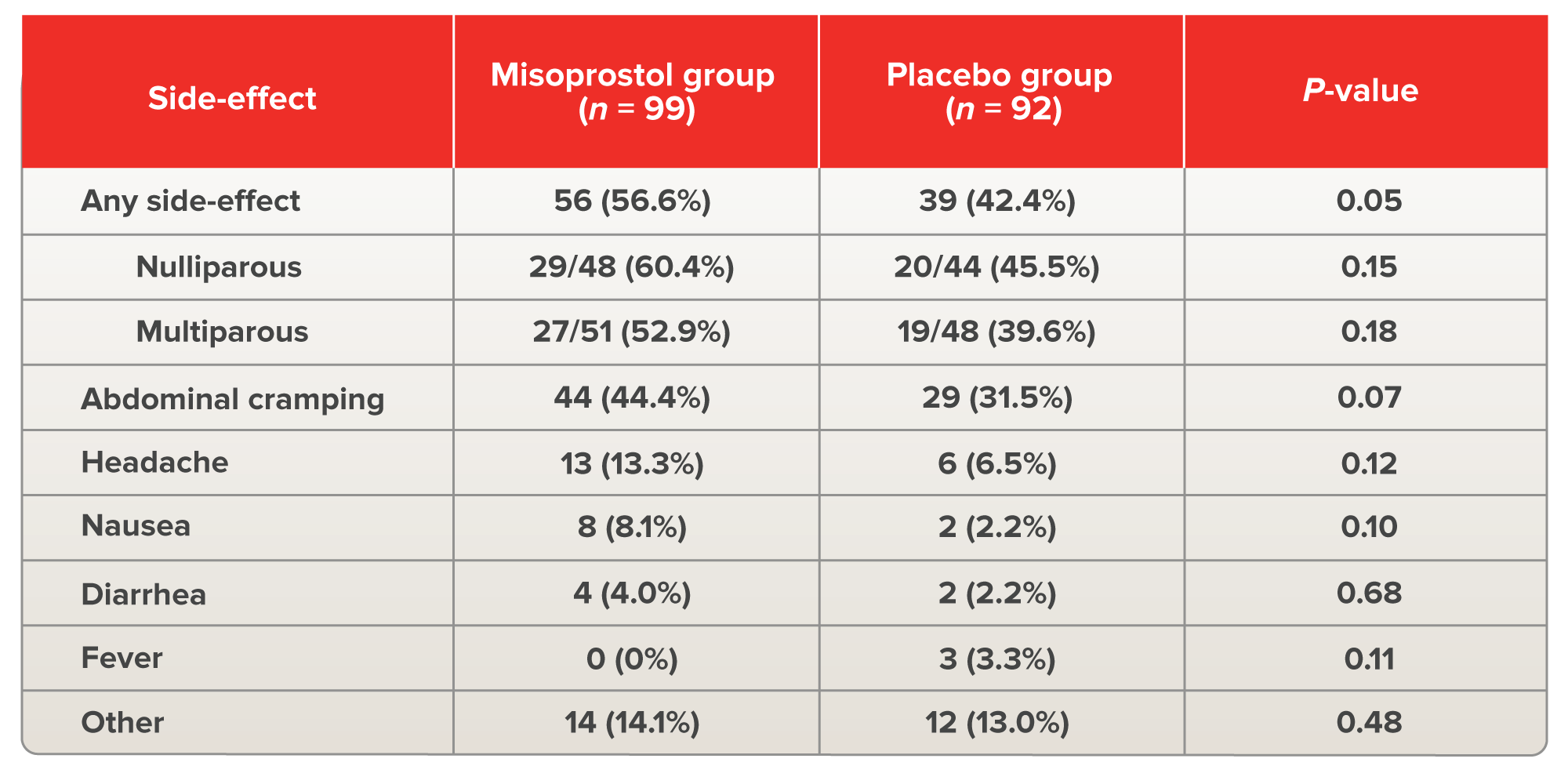
Several studies report no benefit from misoprostol (Prostaglandin E1). An RCT of 270 women having a copper IUD or LNG-20 placement compared 400 ug misoprostol PV vs. placebo, three hours before placement. The very finding were:
  • No improvement in pain reported by women
  • In nulliparous women there was more pain, more vaso-vagal episodes and more clinician-reported difficult placements
  • Side-effects were more frequent in the Misoprostol group than in the Placebo group:
  • Misoprostol does not make IUC placement less painful
  • Misoprostol DOES increase discomfort throughout placement, moreso among nulliparous women

Anesthesia for Tenaculum Placement

Reducing pain with tenaculum placement:
Injection vs. Gel

In addition to good technique (reassurance, slow placement, cough distraction, and avoiding excessive application of the tenaculum beyond the first ratchet “click”), local application of anaesthetic may reduce pain of IUS placement.

An RCT among 74 women compared an injection of 2 mL xylocaine 1% at 12 o’clock versus an application of 1 mL xylocaine gel 2% on the anterior lip before IUC placement. Pain scores are lower with injection of xylocaine.

Fast Fact

When injecting xylocaine in the cervix, bleeding and extrusion of the anaestetic may occur. Direct pressure, with either a cotton-tip swab or clamp for 1 minute will stop bleeding and allow the anaesthetic to work.

Para-Cervical Block

  • Use 10 mL of 1% plain lidocaine
  • Inject with either a 25 gauge 1½ inch, or spinal needle
  • Inject 1-2 ml at 12 o’clock into cervix on the anterior lip for tenaculum site

Inject 5 mL at each 4 and 8 o’clock, towards the uterosacral ligaments, infiltrating deep into the tissue.
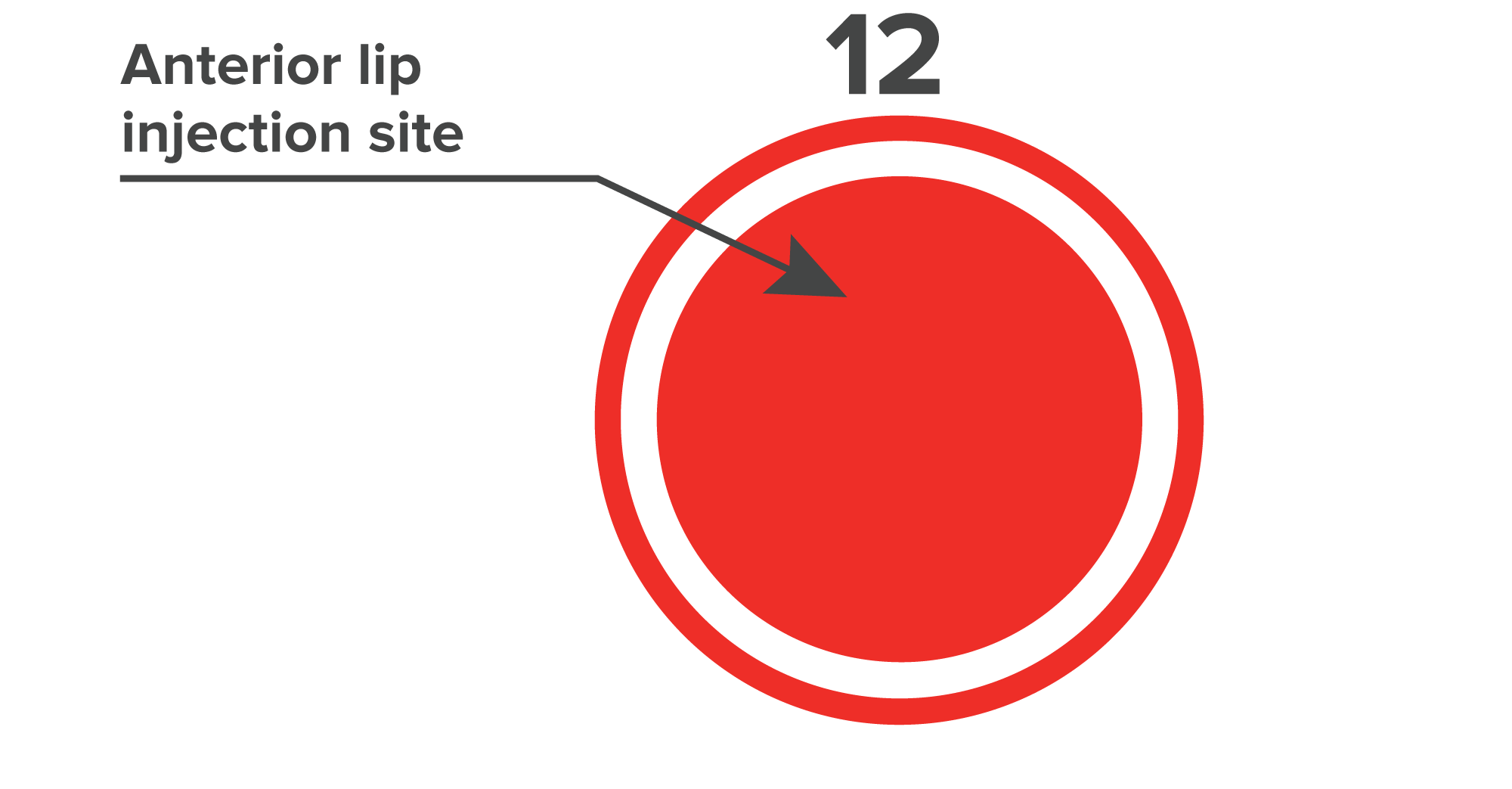
Please note that the placement of the cervical block itself can be painful and, as such, it should not be routinely performed.

New Onset of Pain

New Onset of Pain

If a woman with an IUC in place more than 6 months, or following a period of being pain-free, develops new severe cramping or abdominal tenderness, one must rule out:

  • Ectopic pregnancy
  • IUC malpositioning (embedment, expulsion or perforation)
  • Pelvic inflammatory disease
  • Threatened or incomplete miscarriage